
Exploring the psychology behind casino gambling Why do we take risks
The Thrill of Uncertainty
Casino gambling is often characterized by its inherent uncertainty, which creates a unique thrill for players. The unpredictable nature of games, from slot machines to card tables, sparks excitement and engages a deep-seated psychological response. This uncertainty can stimulate the brain’s reward system, releasing dopamine and creating feelings of pleasure, similar to what one experiences in other risk-taking behaviors. Many gamblers are drawn to explore sports betting offers specifically for that exhilarating experience.
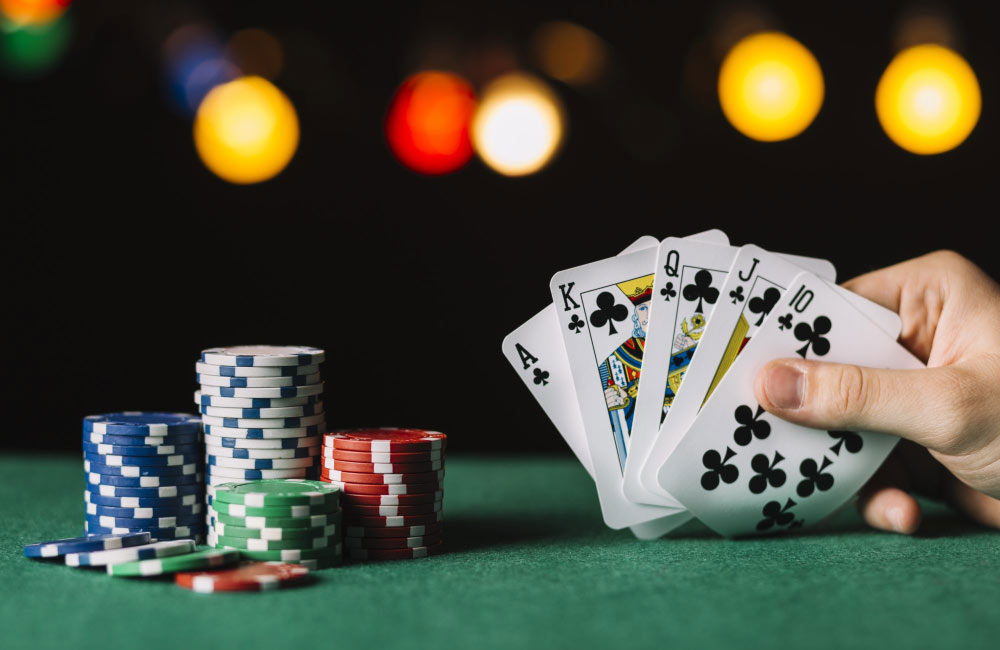
The allure of the “next big win” can lead individuals to take significant risks, often driving them to gamble more than they initially planned. This phenomenon can be attributed to the excitement generated by the potential for a life-changing victory, overshadowing rational thinking and causing players to chase after losses, a behavior known as “loss chasing.”
Social Influences on Gambling Behavior
Casino environments are designed to foster social interactions and community, which can significantly influence gambling behavior. The presence of other players, the atmosphere of shared excitement, and the encouragement from peers can amplify one’s desire to participate in gambling activities. This social element adds another layer to the psychological appeal of casinos, encouraging individuals to take risks in a group setting.
Furthermore, the concept of social proof, where individuals look to others’ behaviors to determine their own, plays a crucial role in encouraging risk-taking. When individuals see others winning or enjoying their time in a casino, they may feel compelled to join in, making gambling feel more acceptable and even necessary in social contexts.
The Role of Cognitive Biases
Several cognitive biases can affect the way individuals perceive their chances of winning in gambling scenarios. One prominent bias is the “gambler’s fallacy,” where a person believes that past events can influence future outcomes in games of chance. For instance, if a player has lost several times in a row, they may irrationally assume that a win is “due,” which can lead to further risk-taking.
Another cognitive bias, known as “availability heuristic,” can make players overestimate their chances of winning based on memorable past experiences, such as hearing about someone hitting a jackpot. These biases can distort one’s perception of reality, leading to risky behavior as players believe they possess better odds than they actually do.
The Emotional Rollercoaster of Gambling
The emotional highs and lows experienced during gambling can significantly impact a player’s psychology. Winning can result in euphoric sensations that reinforce the desire to continue playing, while losing can lead to frustration and a compulsion to recover losses. This emotional rollercoaster can create a cycle of behavior where one continues to gamble in hopes of regaining that initial high.
Consequently, the emotional aspects of gambling can make it addictive for some individuals. The combination of thrill and despair creates a complex relationship with risk-taking, where the excitement of a potential win may outweigh the fear of losing, driving players back to the casino time and again.
Safe Online Gambling Experiences
This website is dedicated to providing users with a secure and enjoyable online gambling experience. By implementing rigorous security measures, it protects users from potential threats while they explore various gaming options. Access may occasionally be restricted due to these proactive measures, which aim to maintain the integrity and safety of the site.
If users encounter any issues when trying to access the site, they are encouraged to reach out to the site owner. Sharing the specific actions that led to the block can help in quickly resolving any access problems, ensuring players can return to their favorite games in a safe environment.