
Exploring the psychological impacts of casino environments on players
Exploring the psychological impacts of casino environments on players
The Allure of Casino Design
The design of a casino is not merely aesthetic; it plays a crucial role in shaping player behavior and experience. From vibrant colors to dazzling lights, these elements are intentionally orchestrated to create an enticing atmosphere that draws players in. This environment stimulates excitement, often making it difficult for individuals to leave once they begin playing. In fact, many are surprised to discover a wide variety of games, which they can explore at the Big Fish Casino Official Site. The sensory overload can heighten feelings of euphoria, leading to a compelling urge to keep gambling in hopes of extending that thrill.
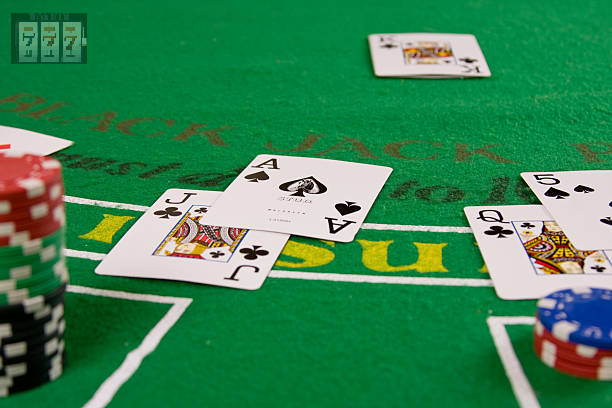
Moreover, the layout of casinos is strategically planned to encourage exploration and longer stays. Games are often positioned close together, creating a maze-like structure where players may lose track of time. Studies have shown that this design encourages prolonged engagement, which can lead to increased gambling. Furthermore, the absence of clocks and windows contributes to this effect, as players are less aware of the passage of time. This deliberate construction can deeply impact a player’s psychological state, promoting a temporary escape from reality.
The psychological effects of this design extend to various types of players, whether they are seasoned gamblers or novices. The thrill of the gaming environment can lead to heightened expectations and sometimes irrational decision-making. Players may overlook the odds and risks involved in gambling due to the overwhelming allure of potential rewards. This phenomenon is often referred to as “loss aversion,” where players are more inclined to continue gambling to recover losses, blinded by the mesmerizing environment surrounding them.
The Role of Social Interaction
Social interaction in a casino can significantly influence player psychology. Engaging with other players can create a sense of camaraderie and shared excitement, enhancing the overall gambling experience. Conversations and social dynamics can amplify emotions, leading to increased enjoyment and, in some cases, reckless behavior. For many, the social aspect of gambling—sharing wins, losses, and experiences—adds a layer of fun that encourages longer visits and continued play.
However, this social atmosphere can also bring about negative psychological effects. Peer pressure may compel players to gamble more than they intended, as they seek to maintain social connections or impress others. The desire to fit in or be part of a group can lead to compulsive gambling behaviors, especially among younger individuals who are more susceptible to these social influences. This dual nature of social interaction highlights its complex role in the gambling experience, where both positive and negative outcomes can arise.
Moreover, casinos often host events and tournaments that further foster a sense of community among players. These events can create competitive atmospheres that may encourage higher stakes and riskier behaviors. Players might feel an adrenaline rush from competition, prompting them to make impulsive decisions that could jeopardize their finances. Understanding this social dynamic is crucial for comprehending the psychological impacts of casino environments on players and the potential consequences of gambling behaviors.
Addiction and Escapism
The psychological impacts of casino environments can lead to addiction for some individuals, particularly as gambling often serves as a means of escapism. Players may turn to gambling to avoid stress, anxiety, or other life challenges, seeking solace in the thrill of gaming. The immersive experience provided by casinos can act as a temporary refuge, distracting players from their problems. However, this escapism can spiral into unhealthy habits and compulsive gambling, impacting various areas of their lives.
The risk of addiction is further compounded by the mechanisms employed in casinos to entice players. Features like near misses, bright lights, and celebratory sounds upon small wins can reinforce gambling behaviors. These elements trigger dopamine release, leading to feelings of pleasure and reinforcing the desire to gamble. Over time, players may find themselves chasing these feelings, leading to a cycle of addiction that becomes increasingly difficult to break.
Furthermore, the consequences of gambling addiction extend beyond the individual. Relationships, finances, and mental health can all suffer as players prioritize gambling over other responsibilities. The psychological burden of this addiction may lead to feelings of shame, guilt, and isolation, creating a vicious cycle that traps players in their behavior. Understanding the fine line between recreational gambling and addiction is essential for players, their families, and mental health professionals alike.
Mental Health Considerations
The environment of a casino can have a profound impact on mental health, with players experiencing a wide range of emotions and psychological effects. While some players may enjoy a casual night out, others may find themselves grappling with anxiety, depression, or stress related to their gambling activities. The high-stakes atmosphere can amplify these feelings, particularly for those who have developed a gambling addiction. Recognizing the importance of mental health is essential in understanding the full scope of casino environments’ impacts.
Moreover, the stigma surrounding gambling problems can prevent individuals from seeking help. Many players feel shame or embarrassment about their gambling behavior, leading them to internalize their struggles. This silence can exacerbate feelings of isolation and worsen mental health conditions. Awareness campaigns and support resources can help destigmatize these issues, encouraging individuals to seek assistance and better understand the psychological ramifications of their gambling behaviors.
As the gaming industry evolves, the focus on mental health support within casino environments is becoming increasingly vital. Establishing resources such as counseling services and educational programs can promote responsible gambling practices. By fostering an environment that prioritizes mental health, casinos can contribute to healthier gaming experiences, allowing players to enjoy the thrill of gambling without compromising their well-being.

Big Fish Casino: A Responsible Gaming Destination
Big Fish Casino stands out as an online gaming destination that prioritizes player well-being alongside entertainment. With a commitment to responsible gaming, the platform provides players with tools to manage their gambling activities effectively. Features such as deposit limits, self-exclusion options, and educational resources empower players to gamble responsibly, reducing the risk of addiction and promoting a healthier relationship with gaming.
The platform also emphasizes security and accessibility, ensuring that players can enjoy their experience without undue stress. Fast transactions and a user-friendly interface make it easy for players to engage with the games they love. Additionally, the community aspect fosters a supportive environment, allowing players to connect and share their experiences, further enhancing the overall gaming experience.
By focusing on responsible gaming and player support, Big Fish Casino demonstrates a commitment to the psychological well-being of its players. As the gaming industry continues to evolve, such initiatives can pave the way for healthier gaming environments, ultimately benefiting both players and the broader community. In an era where mental health awareness is crucial, Big Fish Casino sets an example for others in the industry, illustrating the importance of balancing entertainment and responsibility.